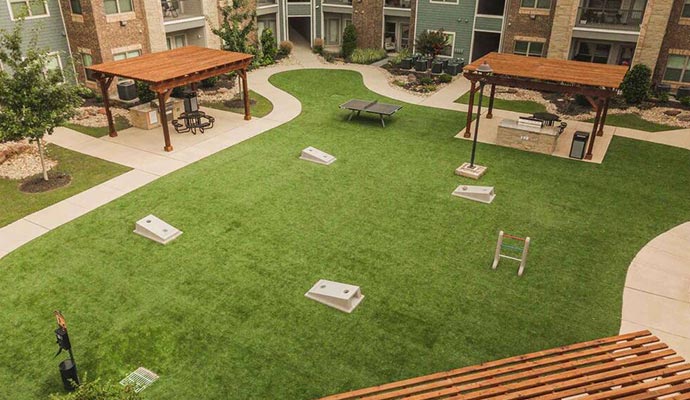
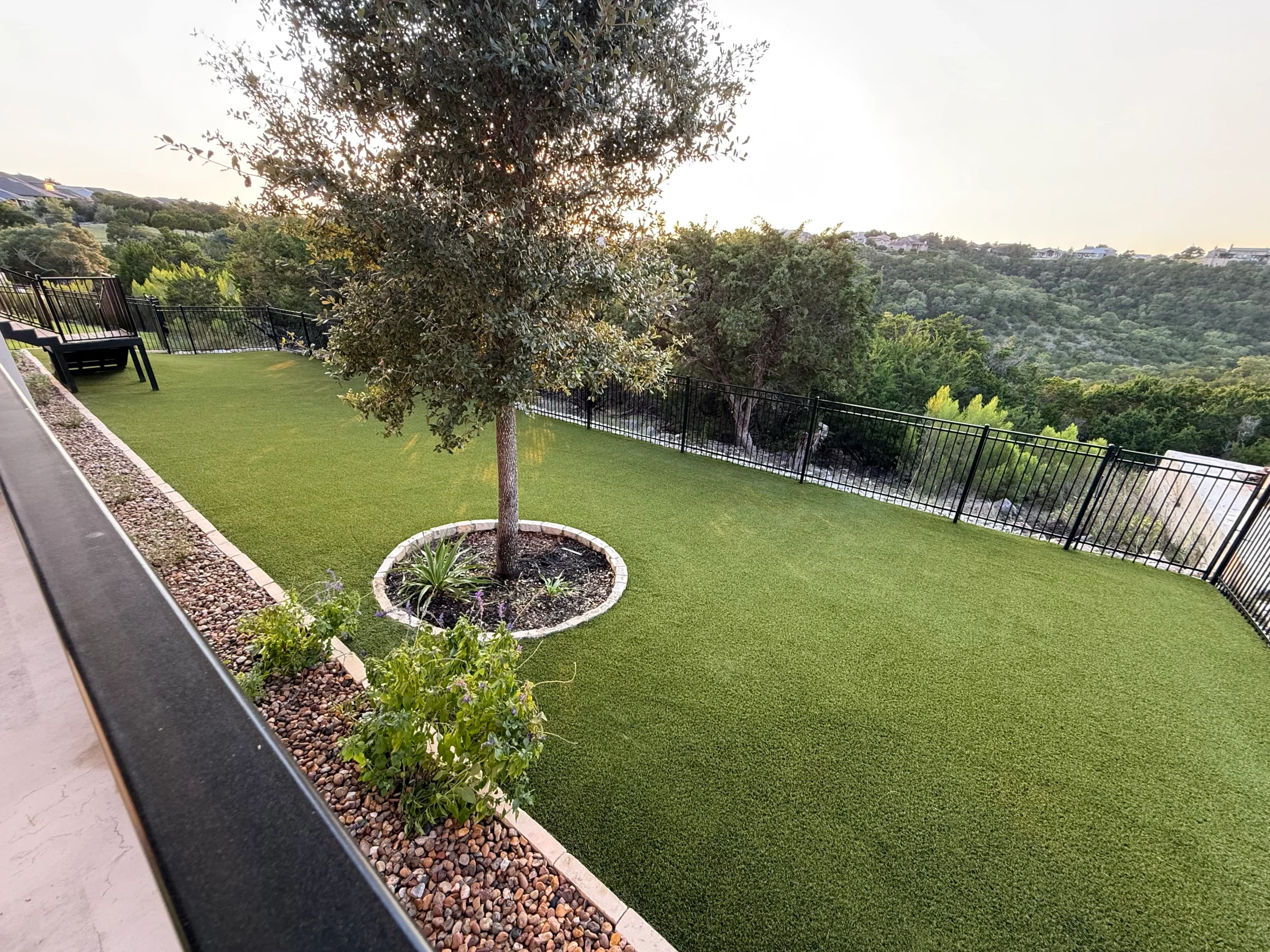
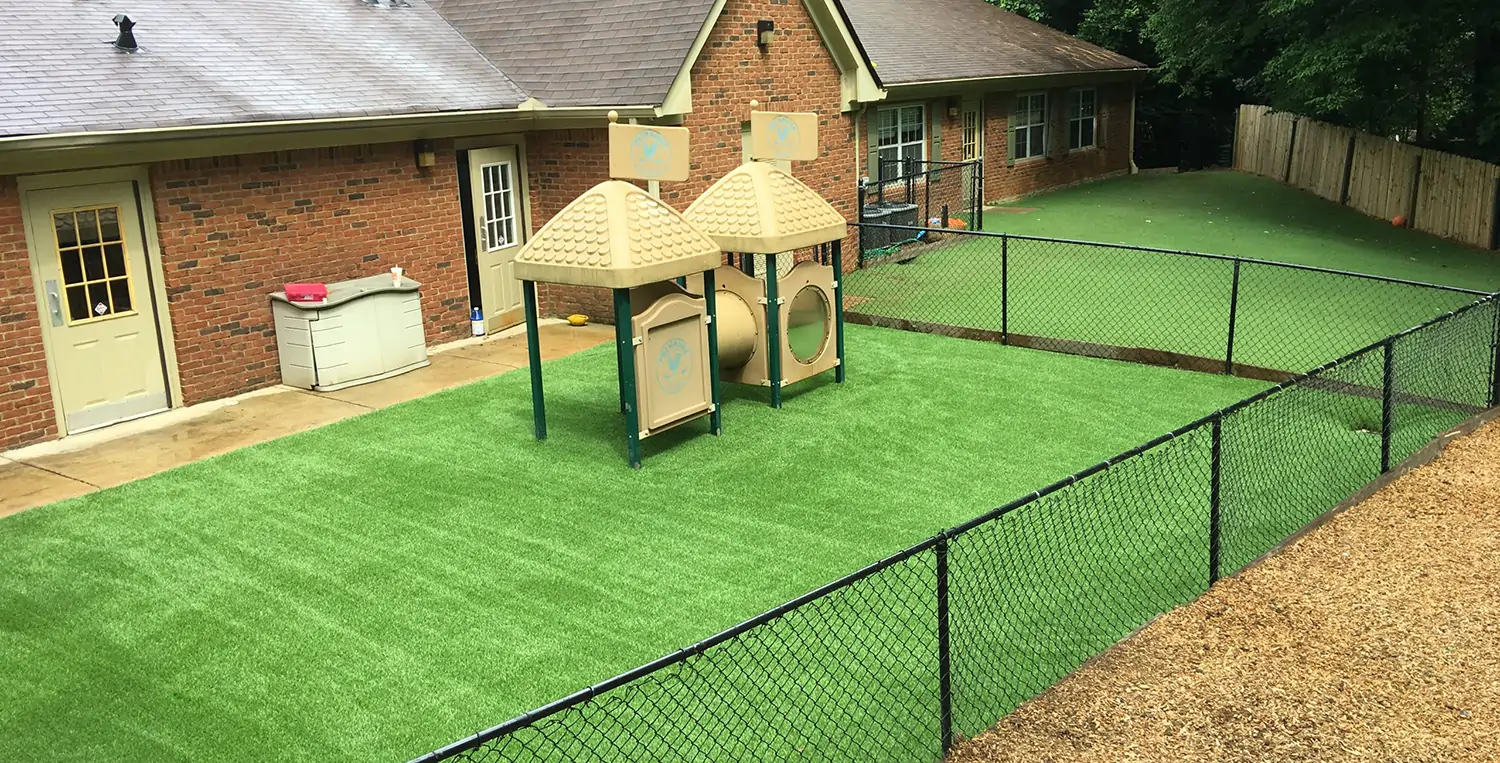
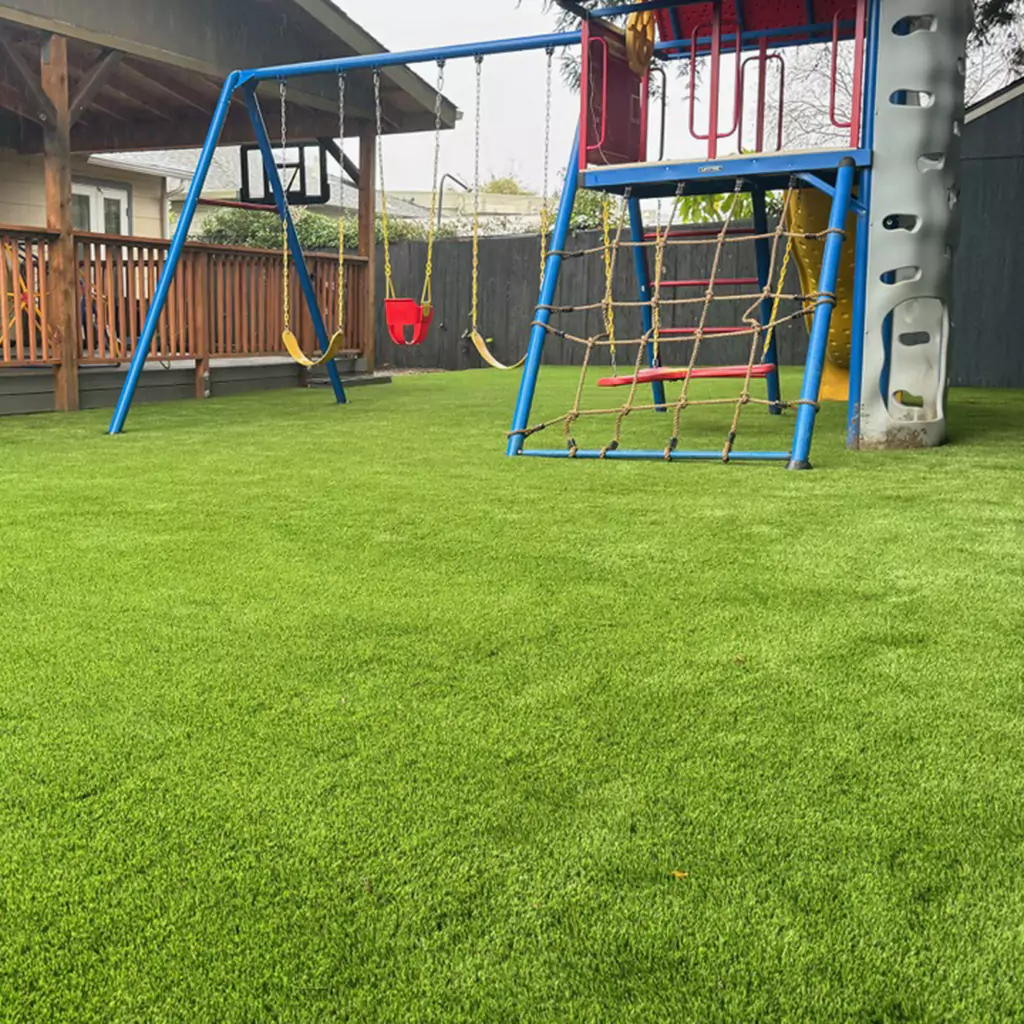
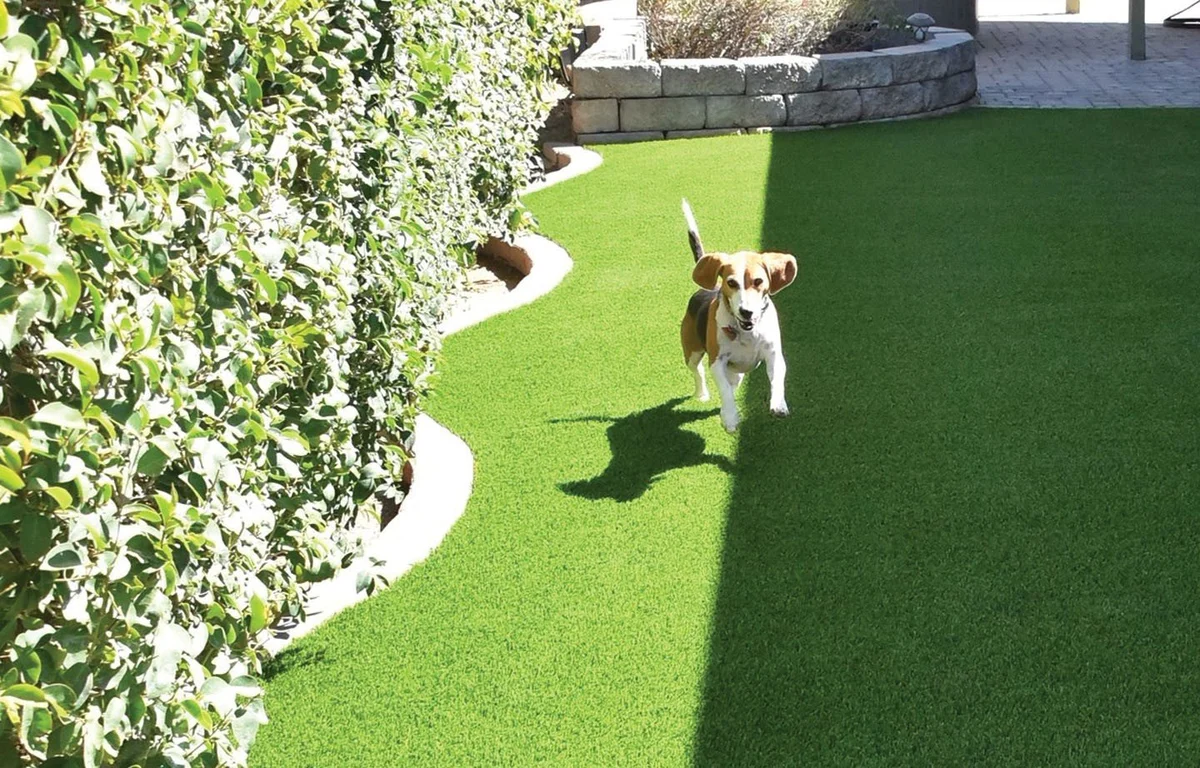
Residential turf installation in Tomball solves a problem that most homeowners in this corridor understand well: natural grass in Harris County's clay-heavy soil and Gulf-influenced summer climate demands more maintenance than most working households can sustain. For the faculty and staff at Lone Star College Tomball, whose campus anchors the northern edge of College Park Drive, and for the nurses, technicians, and administrative professionals at HCA Houston Healthcare Tomball on Health Center Drive, maintaining a green, healthy lawn around a demanding professional schedule often becomes unsustainable within a few years. Residential turf installation changes that calculation. A properly installed artificial turf surface in a Tomball backyard or side yard eliminates mowing schedules, reduces irrigation needs by eliminating lawn watering entirely, and holds its appearance through August heat and September storm seasons without the recovery time natural grass requires. The households in Northpointe — where LSCT faculty concentrate — and in Treeline and Wildwood — where medical-employee families are well established — tend to prioritize this kind of set-and-forget outdoor surface. The same pattern applies to Spring Creek neighborhood residents who commute to either campus. Turf Installation of Tomball approaches residential projects with the same rigor applied to commercial installations. The first step is always site evaluation: how does water move across the lot after rain, where are the grade transitions, what is adjacent to the installation area, and what is the use profile for the space. For Tomball residential properties, that often means accounting for children, pets, and outdoor gatherings, not just visual landscaping. Base preparation for residential installations in Tomball involves excavation of existing lawn material, installation of a compacted crushed aggregate sub-base, and drainage layer placement appropriate to the site's soil behavior. Skipping or compressing base work is the most common reason residential turf installations fail prematurely — soft spots develop, seams lift, and drainage problems surface within two or three years. After base work is complete, turf rolls are placed with directional pile consistency, seams are bonded and treated, and edges are detailed against all adjacent hardscape, landscape borders, and fence lines. The final grooming and infill calibration step accounts for how the space will be used — pet-active yards get a different infill specification than decorative front-yard areas. For Klein-Tomball ISD households with children who will use the yard for outdoor play, we build in the durability profile those use patterns require. Residential turf installation by Turf Installation of Tomball is a practical infrastructure decision for Tomball's employee households, not a luxury upgrade. It delivers a surface that performs consistently through the climate cycles this region experiences, without demanding ongoing attention from homeowners whose schedules are already full.